

This Is Why Animal Organizations Are Important
In recent years, shelters and rescue organizations across the U.S. have reported an increase in animals being surrendered due to financial difficulties. We see prices rising, and people can no longer afford to care for their pets.
Forecasts do not predict a sharp financial improvement, although moderate economic growth and stabilization are possible in 2026. This makes the availability of animal shelters and their ongoing support more important than ever.
The idea of protecting animals is not new. In many ancient cultures, compassion toward them was a core value. For example, Buddhism and Hinduism promoted non-violence (ahimsa) and respect for all living beings.
In 19th-century Europe, organizations such as the Royal Society for the Prevention of Cruelty to Animals (RSPCA, 1824) emerged after society began addressing widespread cruelty, particularly in industrial cities. Advances in zoology, veterinary science, and the study of animal behavior later confirmed that animals experience suffering, providing a scientific foundation for humane treatment.
The good news is that you don’t need a fortune to make a difference. Even small actions can save lives and improve their welfare.
How You Can Support Animal Shelters: 5 Effective Ways
Many want to help but don’t know what to start with. Here is what you can do:
1. Help them find a new home
Post announcements about pets in need of adoption in groups that specialize in rehoming animals. Share news from the special welfare organizations, talk about community initiatives, important petitions, and invite friends to marches supporting pet rights.
2. Help out financially
Even a small contribution can make a real difference. Most shelters let you set up a monthly donation online, and just $10 a month can go a long way toward keeping animals fed, warm, and cared for. These places are often stretched thin, so every bit counts.
3. Volunteer your time
Shelters often face severe staff shortages, so volunteering is a huge help. You can assist by carrying water, chopping firewood, preparing food, or helping build and insulate enclosures — your efforts will be greatly appreciated.
4. Offer temporary foster care
Shelters can’t accommodate every animal. While volunteers look for permanent homes, you can take in a puppy or kitten for temporary foster care.
5. Donate unwanted items to shelters
Warm clothing, furniture, pillows, toys, buckets, and bowls — in winter, even an old blanket from your attic can make a difference. Shelters also constantly need building materials so volunteers can repair and insulate enclosures.
How to Build a Strong Bond with Your Pet
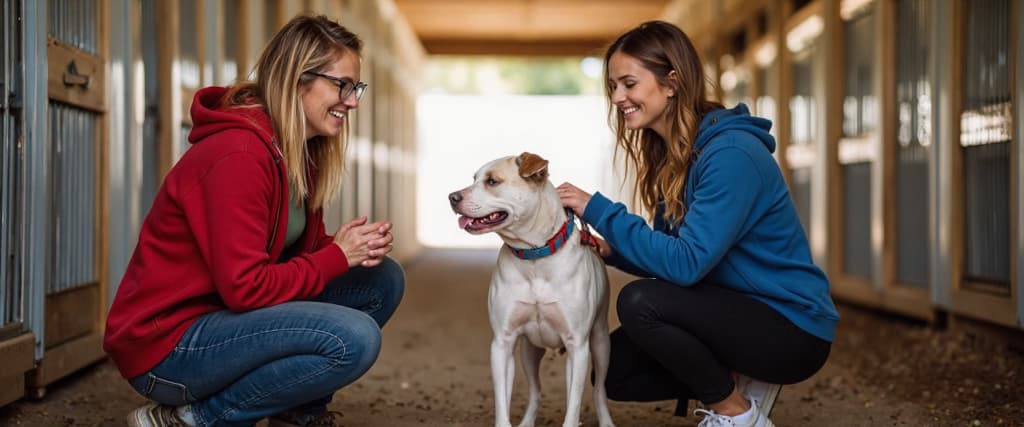
Bringing a new pet into your home is an exciting experience. Whether you’ve adopted, fostered, or rescued a dog or cat, the key is to create positive experiences from day one.
Start with a calm introduction. Give your new pet time to adjust to their surroundings. Avoid overwhelming them with too many new experiences, sounds, or people all at once. Allow them to explore their new home at their own pace, and let them come to you when they feel comfortable.
Establish routines. Animals thrive on consistency. Feed them at the same times each day, schedule walks or play sessions, and create a predictable environment. Regular routines help reduce stress and build trust, especially in pets who may have experienced trauma or uncertainty before arriving at your home.
Positive reinforcement works wonders. Reward good behavior with treats, praise, and gentle petting. Avoid scolding after the fact, as animals often don’t associate punishment with past actions. Instead, focus on encouraging behaviors you want to see repeated.
Invest in training and mental stimulation. Teaching basic commands, practicing leash walking, and providing interactive toys can keep pets mentally sharp and emotionally balanced. Puzzle feeders, for example, are excellent for engaging a cat or dog’s natural instincts while providing a fun challenge. Training isn’t just for obedience — it also strengthens your bond as your pet learns to trust and rely on you.
Prioritize socialization. Introduce your pet gradually to other people, animals, and different environments. For dogs, this means walks, visits to parks, and exposure to various sounds and sights.
Exercise and play. Regular physical activity is essential for animals.
Prepare for separation. Maintain familiar routines and offer comfort items to help them feel secure while you’re away.
Finally, remember that every small action — whether adopting, fostering, volunteering, or simply raising awareness — contributes to a better life for countless animals. By giving your time, care, and heart to these sentient beings, you’re not just forming a bond; you’re creating an impact that can last a lifetime. You build memories, joy, and trust that enrich both your life and the lives of the animals, who are not property but members of your family deserving love, respect, and compassion.